
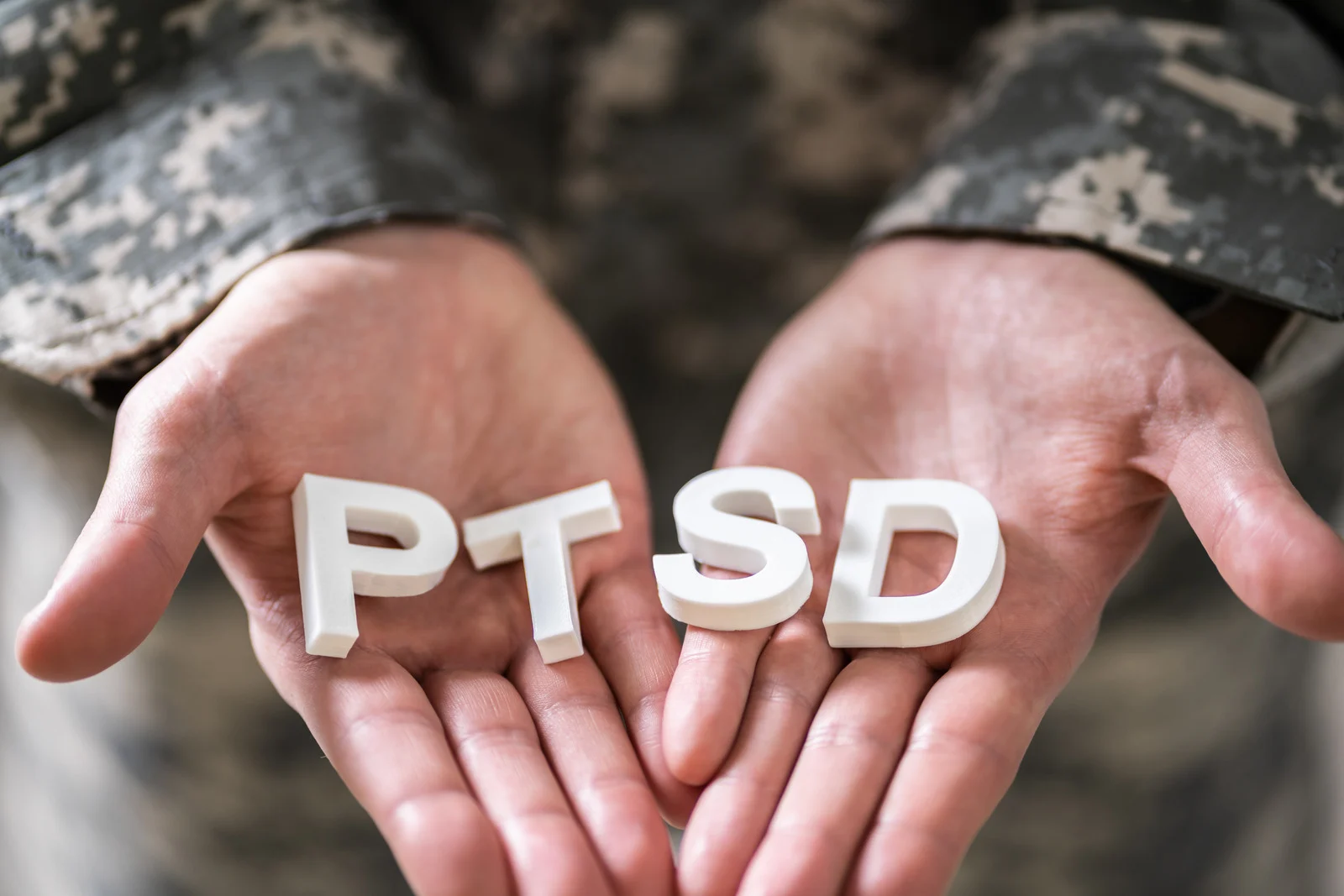
Post traumatic stress disorder, often called PTSD, is a mental health condition that can develop after someone experiences or witnesses a traumatic event. PTSD can affect adults, teens, and children, and it may result from military service, car accidents, abuse, assault, medical trauma, natural disasters, or the loss of a loved one. Many people struggle with symptoms for months before seeking help, but PTSD therapy can help people process trauma, reduce symptoms, and improve daily life.
What Is PTSD?
PTSD affects the way the brain and body respond to trauma. After a traumatic event, it is normal to feel fear, stress, or sadness for a short period of time. However, when those feelings continue for more than a month and begin interfering with everyday life, PTSD may be the cause. Not everyone who experiences trauma develops PTSD. Some people recover with time and support, while others continue to experience symptoms that affect relationships, work, school, and overall well being.
Common Causes of PTSD
PTSD can develop after many different types of traumatic experiences, including:
- Military combat
- Car accidents
- Physical abuse
- Emotional abuse
- Sexual assault
- Natural disasters
- Medical emergencies
- The sudden loss of a loved one
- Other stressful or traumatic life events
Every person responds to trauma differently. An event that causes severe emotional distress for one person may not affect another person in the same way.
Common PTSD Symptoms
PTSD symptoms can appear in different ways. Some people experience flashbacks, intrusive thoughts, or nightmares related to the traumatic event. Others may avoid people, places, or situations that remind them of what happened.
PTSD can also affect emotional, mental, and physical health. People may feel constantly on edge, struggle with anxiety, have trouble sleeping, or become easily irritated. Some feel emotionally numb or disconnected from loved ones. Difficulty concentrating, mood changes, and panic attacks are also common.
When to Seek Help
It may be time to seek professional support when PTSD symptoms last for more than a month or begin affecting work, school, relationships, or daily responsibilities. Many people also seek help when they feel overwhelmed by fear, anxiety, sadness, or emotional distress. Working with a mental health professional can help people better understand their symptoms and begin the healing process.
PTSD Therapy Options
PTSD therapy can help people process trauma and develop healthier ways to cope with symptoms. Treatment is often personalized because people respond differently to therapy.
Cognitive Behavioral Therapy, or CBT, helps people identify negative thought patterns and replace them with healthier ways of thinking. It can also help reduce anxiety and avoidance behaviors.
Eye Movement Desensitization and Reprocessing, known as EMDR, is another common PTSD therapy option. EMDR helps people process traumatic memories in a safe environment and may reduce the emotional intensity connected to trauma.
Emotional Freedom Techniques, often called EFT or tapping, combines gentle tapping with guided emotional processing. Some people find that EFT helps reduce stress, anxiety, and emotional distress.
Finding the Right Support for PTSD
Healing from PTSD takes time, patience, and support. Working with a licensed therapist who has experience treating trauma can make a meaningful difference in recovery. At Spring Forest Counseling, we provide compassionate PTSD therapy tailored to each person’s unique experiences and needs. Whether you are interested in CBT, EMDR, EFT, or another therapy approach, our team is here to help you take the next step toward healing.
